Long before real estate became my profession, necessity taught me how to adapt and find opportunity where others saw limitations.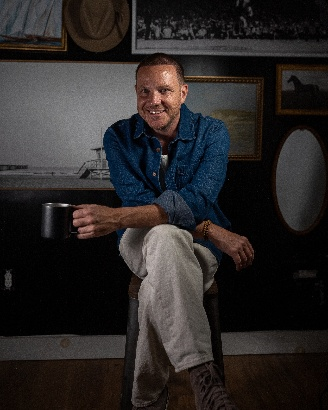
My beginning in real estate happened organically. Word had spread that I was a savvy real estate investor (their words, not mine), someone who saw different paths and built smart investing strategies. Before I knew it, I was getting call after call from people asking for investment advice. I was giving free consultations left and right, and eventually I realized that my time—and my experience—had real value.
I’ve been a real estate investor for 24 years. I had entrepreneurial tendencies from a young age, partly out of necessity. My dad left when I was 13. My mom is one of the strongest people I’ve ever known. We struggled financially, but I learned from her how to work with the hand I was dealt and make the best of any situation.
In high school, mentors started pointing out my leadership and business instincts. When I asked around about profitable paths, real estate investing kept coming up. So I started asking questions—literally. This was before the internet, and the city office had a wooden box where you could submit questions. I’d write mine on a piece of paper, drop them in, and wait for answers. That became my education as a developer; I learned what was possible with a piece of land.
I saved up, bought a dividable property, found a contractor, built a home, and sold both properties. I took the profit, bought more land, built again, and resold—all while living in my mom’s garage.
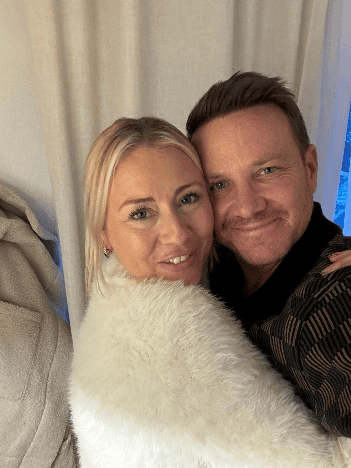
When I was 19, I met my wife, Shannon. I was walking through Bible college, heading to meet friends, when I passed her on campus. We smiled at each other, and it felt like love at first sight. I realized I’d forgotten something in a classroom, turned back, and—of all places—we crossed paths again in the exact same spot. When I caught up with my friends, I told them, “I think I just met my wife.” Apparently, Shannon told the same thing to her friends. As fate would have it, we shared mutual friends and saw each other again. The rest is history.
By 24, Shannon was ready to get married and buy our own place. At that point, I owned ten investment properties but had never purchased a home for myself. I finally moved out of my mom’s garage and into our first home. Around that time, I realized I was losing money by outsourcing a REALTOR® to sell my properties. So Shannon got her real estate license and we kept everything in-house.

Things were going great—until the market crashed in 2008. I was only 26, and the crash was a fast, humbling education. I’d never had a failed investment before, and suddenly I was struggling. Those hard years taught me more than my successful ones ever did. I learned to look at the full picture of an investor’s life—not just where they are now, but where they want to go—before going ahead with a purchase. In fact, sometimes the best decision is to wait.
I made it through that season wiser, more grounded, and humbled. As word continued to spread about my investing experience, I decided to get my own real estate license so I could formally advise clients and monetize decades of hands-on knowledge. Since then, I’ve consistently ranked among the top 5–10% of agents in the region, with business coming purely from reputation and referrals.
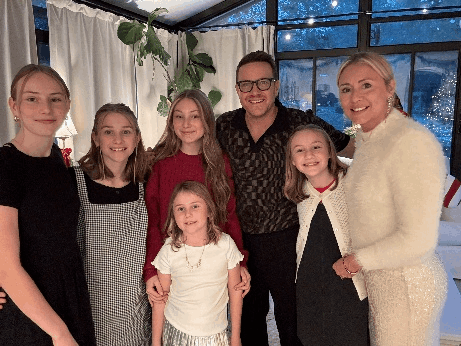
I’m a proud father of 5 daughters—Paisley, Amelia, Charli, Penelope, and Stella. Being at home with my girls is my favorite hobby. I also love snowboarding, hiking, and golfing. I’m deeply involved in my church as the director of strategy. Every chapter of my life has shaped how I show up in real estate—and I wouldn’t change a thing.
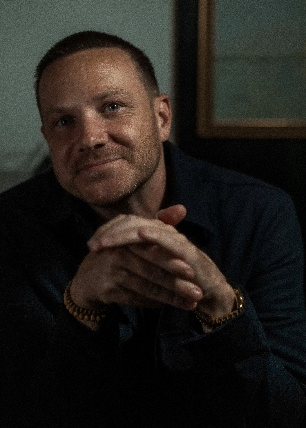
Experience has taught me to consider the full picture of a client’s life—their current realities, long-term goals, and future aspirations—before offering advice. More often than not, that means recommending they wait or pass on a property, because I approach every decision as if it were my own. As a seasoned investor, I see each deal from multiple angles and focus on smart, long-term strategy rather than quick wins.
My strength lies in identifying paths made up of small, intentional steps that move clients toward their larger objectives in a sustainable way. I present options others often overlook, whether that means suggesting a client rent instead of selling, hold a property longer, save and buy later, or completely rethink their approach. I’ve reshaped entire financial pictures with a single idea.
Clients also rely on me when situations feel complex or unsolvable. I’m known for handling difficult scenarios that require planning and high-level thinking. Instead of offering temporary fixes, I work toward real, lasting solutions that genuinely serve my clients’ best interests.
With gratitude,

Cody D. Williams